Best Way to Learn Vietnamese: Duolingo vs Traditional Classes vs Vietnamese with Ease Method
Choosing the Right Method to Learn Vietnamese
Today, learners have many options when studying Vietnamese:
- language apps like Duolingo
- traditional classroom courses
- structured learning methods designed for expats
Each approach has its strengths and limitations. Understanding these differences can help you choose the method that best fits your goals.
Comparison of Vietnamese Learning Methods
|
Learning Method |
Strengths |
Limitations |
Best For |
|---|---|---|---|
|
Language Apps (Duolingo, Memrise, etc.) |
Convenient, flexible, good for vocabulary practice |
Limited speaking practice, weak pronunciation training, little cultural context |
Casual learners and beginners exploring the language |
|
Traditional Classroom Courses |
Structured curriculum, teacher guidance, regular practice |
Often grammar-heavy, limited personalization, slower progression |
Academic learners or long-term language study |
|
Vietnamese with Ease Method |
Tone-first pronunciation training, structured lesson progression, practical communication focus, cultural integration |
Requires active participation and real practice |
Expats, professionals, and learners who want practical Vietnamese quickly |
Why Pronunciation Training Makes the Biggest Difference
One of the most important differences between these methods is pronunciation training. Vietnamese is a tonal language, meaning the pitch of a word changes its meaning.
For example:
- ma (ghost)
- má (cheek)
- mà (but)
- mả (grave)
- mã (code)
- mạ (rice seed)
Each word has a completely different meaning.
Most language apps introduce vocabulary without teaching tone patterns deeply, which can lead to misunderstandings in real conversations.
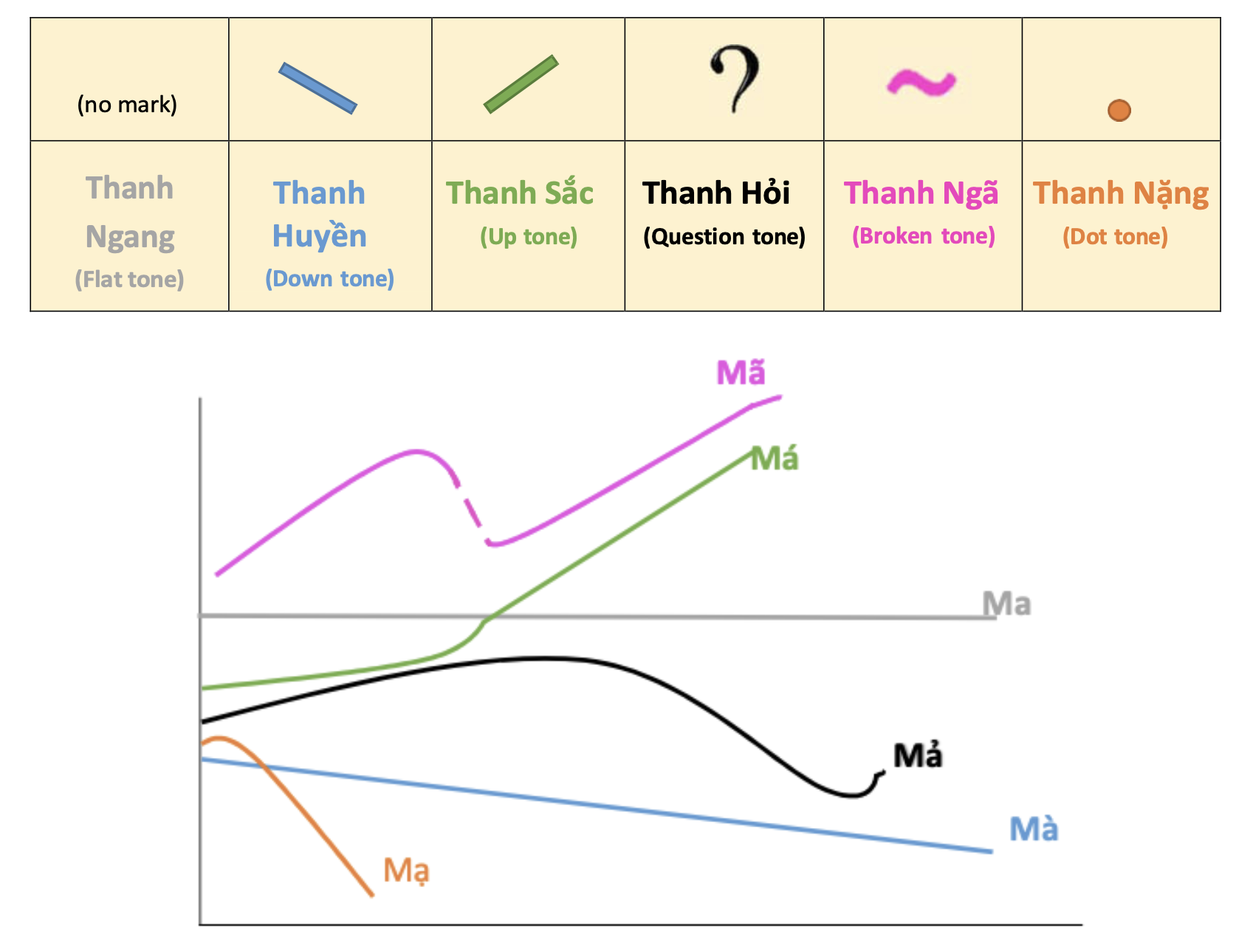
Vietnamese tones_Vietnamese with ease
The Vietnamese with Ease Method prioritizes tone recognition and pronunciation training early in the learning process. This helps learners build a strong foundation before expanding vocabulary and grammar.
Why Structured Lesson Design Matters
Another key factor in effective language learning is lesson structure. Random vocabulary memorization often leads to poor retention. The Vietnamese with Ease Method organizes each lesson into a consistent learning sequence:
- Vocabulary introduction
- Conversation practice
- Grammar explanation
- Reading comprehension
- Writing exercises
- Pronunciation training
- Cultural insights
- Self-assessment
This structured progression allows learners to reinforce knowledge through multiple skills simultaneously. You can explore the full lesson structure here: Why the Lesson Structure in Vietnamese with Ease Helps You Learn Faster and Remember Longer
The Best Approach for Most Learners
In practice, the most effective learning strategy often combines different tools.
For example:
- Apps for quick vocabulary review
- Structured lessons for clear progression
- Real-life practice with native speakers
The Vietnamese with Ease Method integrates these elements into a cohesive learning framework designed specifically for non-native speakers. If you are living in Vietnam, you may also find this guide helpful: Best Way to Learn Vietnamese for Expats in Vietnam
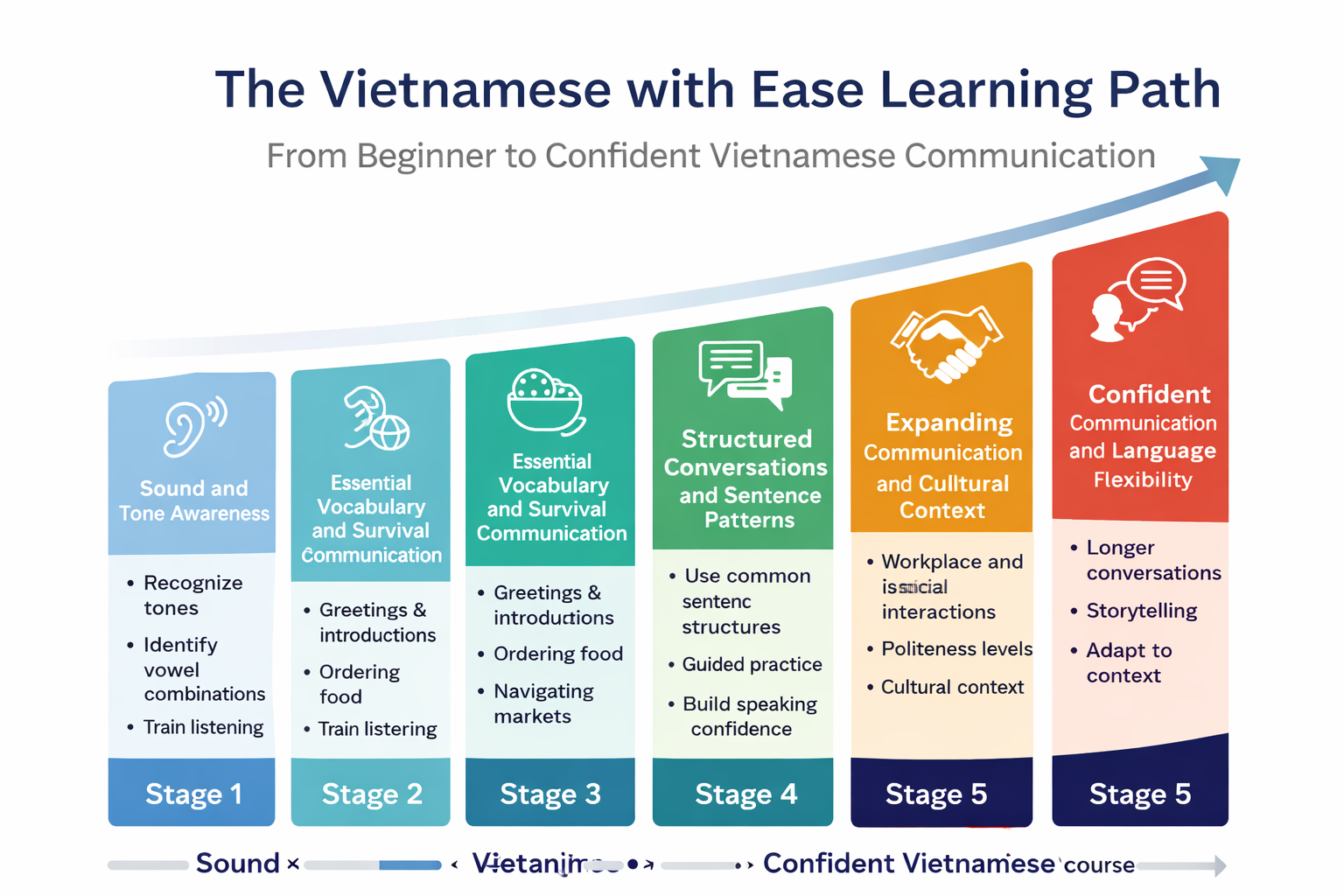
The Vietnamese with Ease Learning Path
From Beginner to Confident Vietnamese Communication. Learning Vietnamese becomes much easier when you follow a clear and structured path. Instead of trying to memorize random vocabulary or grammar rules, the Vietnamese with Ease Method guides learners through progressive stages that build confidence step by step. Each stage focuses on the most important skills needed for real-life communication.
Stage 1: Sound and Tone Awareness (Beginner Foundation)
The first stage focuses on developing listening and pronunciation awareness. Because Vietnamese is a tonal language, correct pronunciation is essential from the beginning.
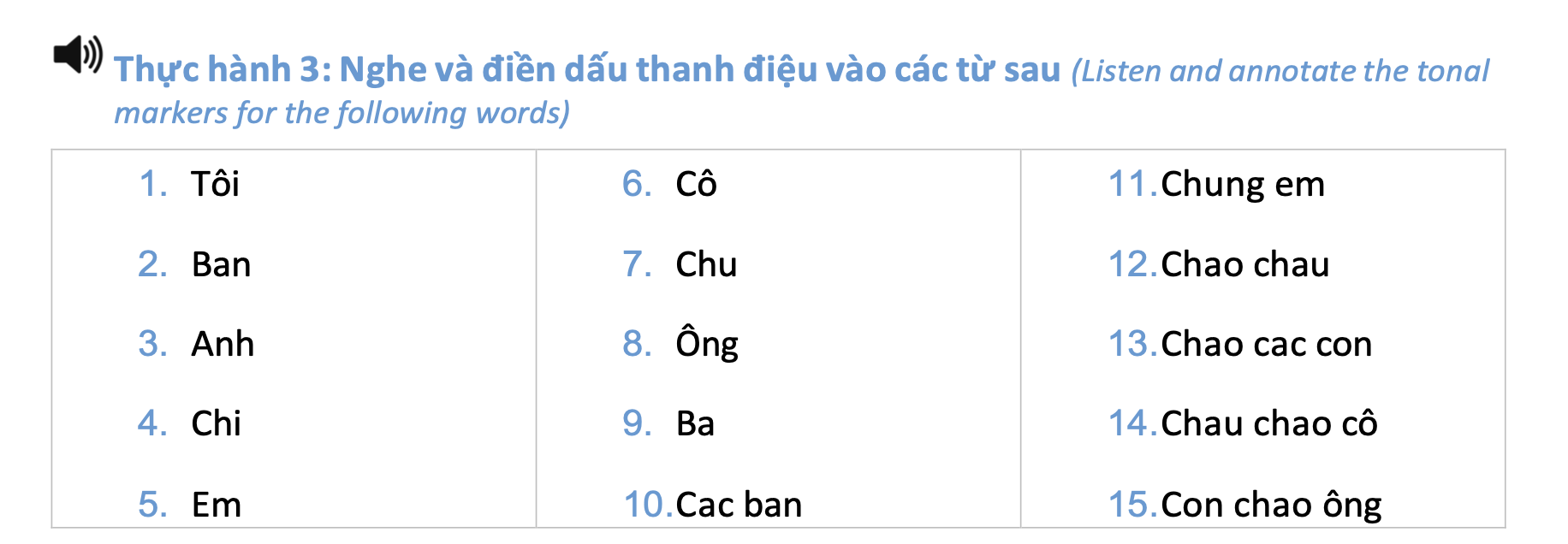
At this stage learners focus on:
- recognizing the six Vietnamese tones
- identifying vowel combinations
- understanding sound patterns
- training the ear through listening exercises
The goal is not fluency yet. The goal is to build a strong pronunciation foundation that prevents bad habits later. Many learners who skip this stage struggle with communication even after learning hundreds of words.
Stage 2: Essential Vocabulary and Survival Communication
Once learners understand basic sounds and tones, they begin building high-frequency vocabulary used in daily situations. At this stage learners practice language used for:
- greetings and introductions
- ordering food and drinks
- asking for prices
- navigating markets and transportation
- simple everyday conversations
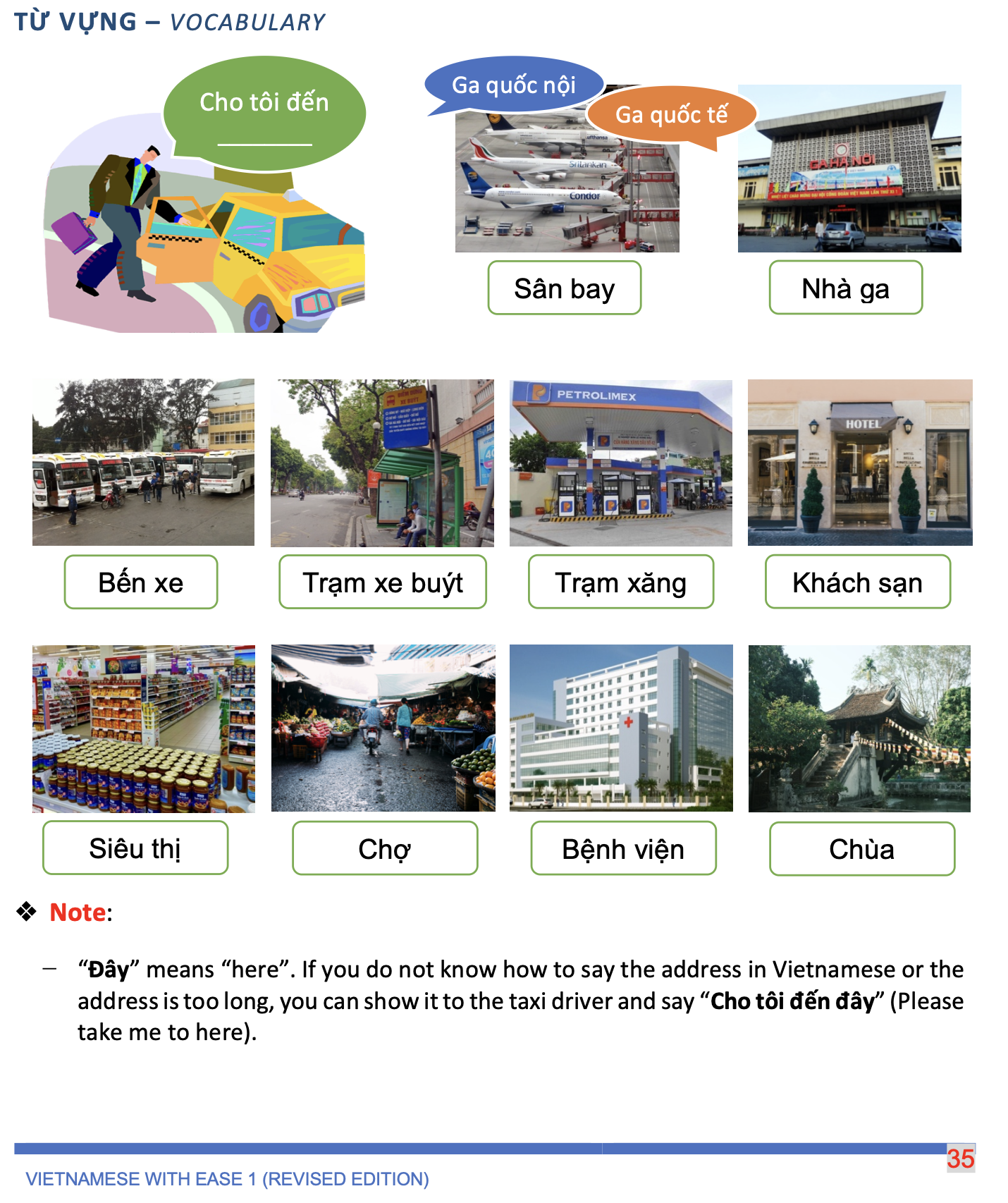
These situations form the basis of Survival Vietnamese, which allows learners to function confidently in real-life environments. If you're interested in practical everyday phrases, explore our: Survival Vietnamese Guide
Stage 3: Structured Conversations and Sentence Patterns
After developing basic communication ability, learners move toward structured conversation practice. Instead of memorizing isolated words, learners begin using sentence patterns and natural dialogues.
This stage focuses on:
- common sentence structures
- conversation scenarios
- listening comprehension
- guided speaking practice
Learners start forming complete sentences and responding naturally in conversations.
Stage 4: Expanding Communication and Cultural Context
As vocabulary and conversation ability grow, learners begin exploring more complex communication situations.
At this stage learners develop skills for:
- workplace communication
- social interactions
- expressing opinions
- understanding cultural context
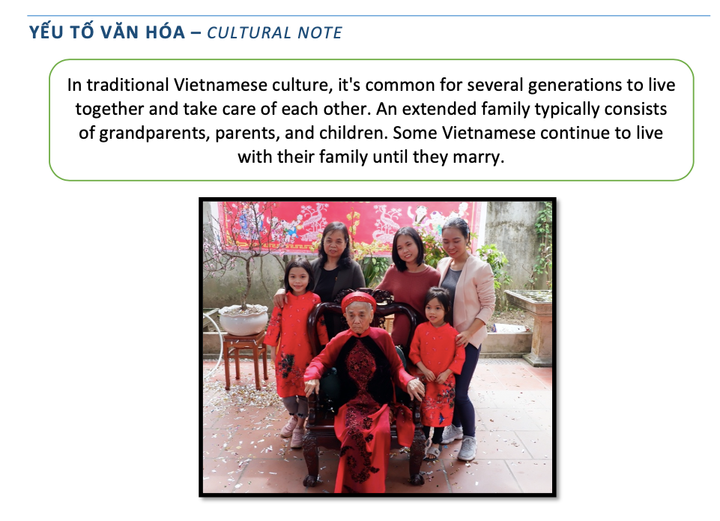
Vietnamese communication relies heavily on social relationships, politeness levels, and addressing systems. Understanding these cultural elements is essential for sounding natural.
Stage 5: Confident Communication and Language Flexibility
In the final stage, learners focus on using Vietnamese more fluidly in real-life situations.
This includes:
- longer conversations
- storytelling and explanations
- deeper cultural understanding
- adapting language depending on context
By this stage, learners are able to communicate comfortably in most everyday situations. Fluency becomes a natural extension of consistent practice.
Why a Clear Learning Path Matters
Many learners feel stuck because they jump randomly between topics. Without a structured progression, learning becomes confusing and inefficient.
A clear learning path helps learners:
- see measurable progress
- reinforce knowledge gradually
- build confidence step by step
- avoid frustration and burnout
The Vietnamese with Ease Method provides this structured progression through carefully designed lessons and real-life communication practice.
From Survival Vietnamese to Real Conversations
Most learners begin with Survival Vietnamese, which allows them to navigate daily life in Vietnam. From there, they gradually expand into deeper communication skills through structured lessons and consistent practice.
If you're curious about how long this process typically takes, you may find this helpful: How Long Does It Take to Learn Vietnamese? A Realistic Timeline for Beginners
Learn Vietnamese Through the Vietnamese with Ease Method
At iSpeak Vietlingo, our courses follow the Vietnamese with Ease learning path. Students progress through structured stages designed specifically for non-native speakers.
Our approach focuses on:
- tone-first pronunciation training
- practical communication scenarios
- structured lesson progression
- cultural understanding
- guided conversation practice
Whether you're starting from zero or improving your Vietnamese, this method provides a clear path toward confident communication.
👉 Explore Vietnamese Courses
👉 Book a Free Trial Lesson
You should also read:
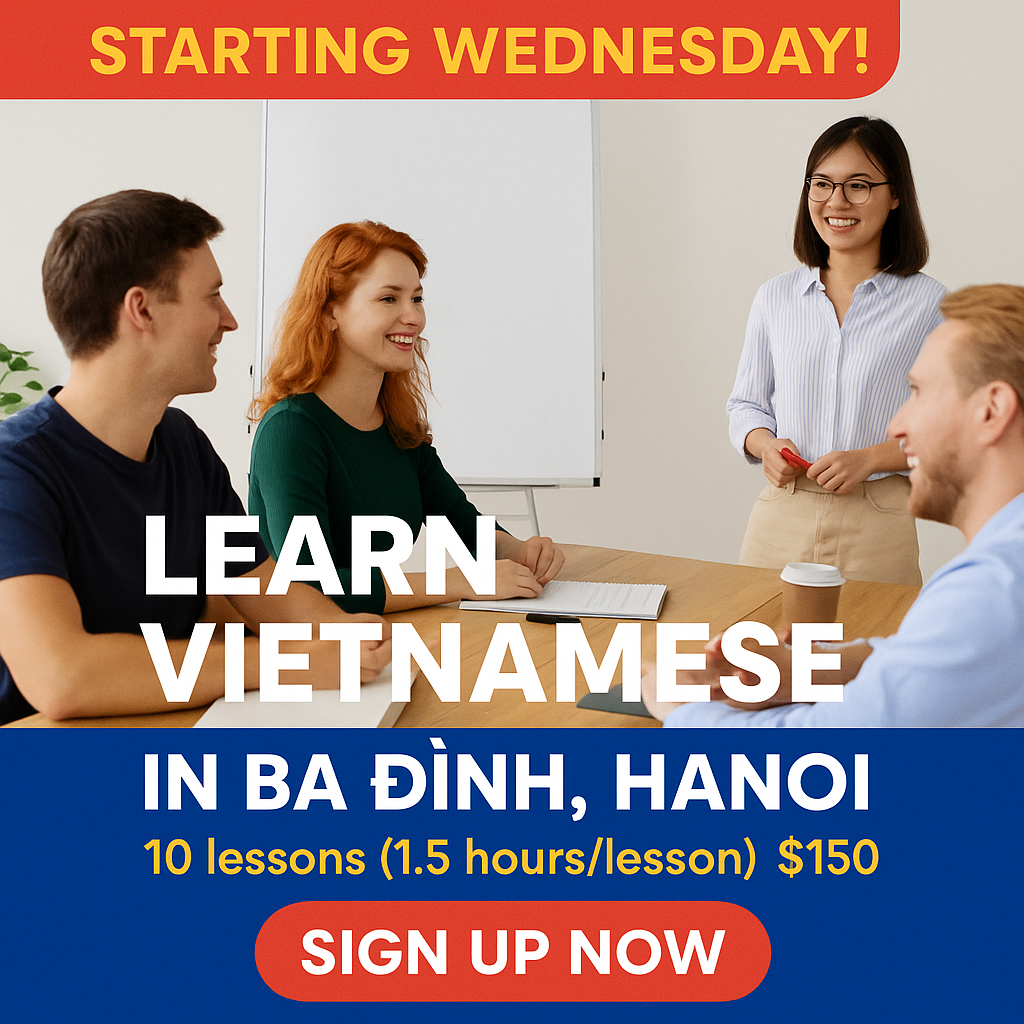
Best Way to Learn Vietnamese for Expats in Vietnam (Especially in Hanoi)
Are you an expat living in Hanoi or another Vietnamese city and wondering how to learn Vietnamese effectively without wasting time or getting overwhelmed? You’re not alone. Many expats struggle to find a method that fits their busy lifestyle, language background, and cultural goals. At…
Continue reading...
What Matters Most to Vietnamese People? Work, Love, Family, Money, or Friends? (And why it matters if you live or do business in Vietnam)
If you're living, working, or doing business in Vietnam, this question can unlock powerful insights: What do Vietnamese people value the most in life? In many countries, work is the top priority. But in Vietnam, while people work hard, sometimes even holding multiple jobs, they…
Continue reading...
5 Common Mistakes Foreigners Make When Learning Vietnamese (And How to Avoid Them)
Learning Vietnamese can be an exciting yet challenging journey, especially for foreigners who are new to tonal languages or Southeast Asian cultures. At iSpeak Vietlingo, we’ve worked with hundreds of learners from around the world and we’ve noticed that many of them make the same…
Continue reading...Start Your Vietnamese Journey Today
Get your copy of 'Vietnamese with Ease' and begin mastering the Vietnamese language with confidence and cultural insight.
Order Your Copy Now