Tết in Hanoi: A Practical Guide for Foreigners
Spending Tết in Hanoi? When Tết 2027 is, what closes, customs and taboos, lucky money, greetings, Tết at work, and how to enjoy the holiday as a foreigner.
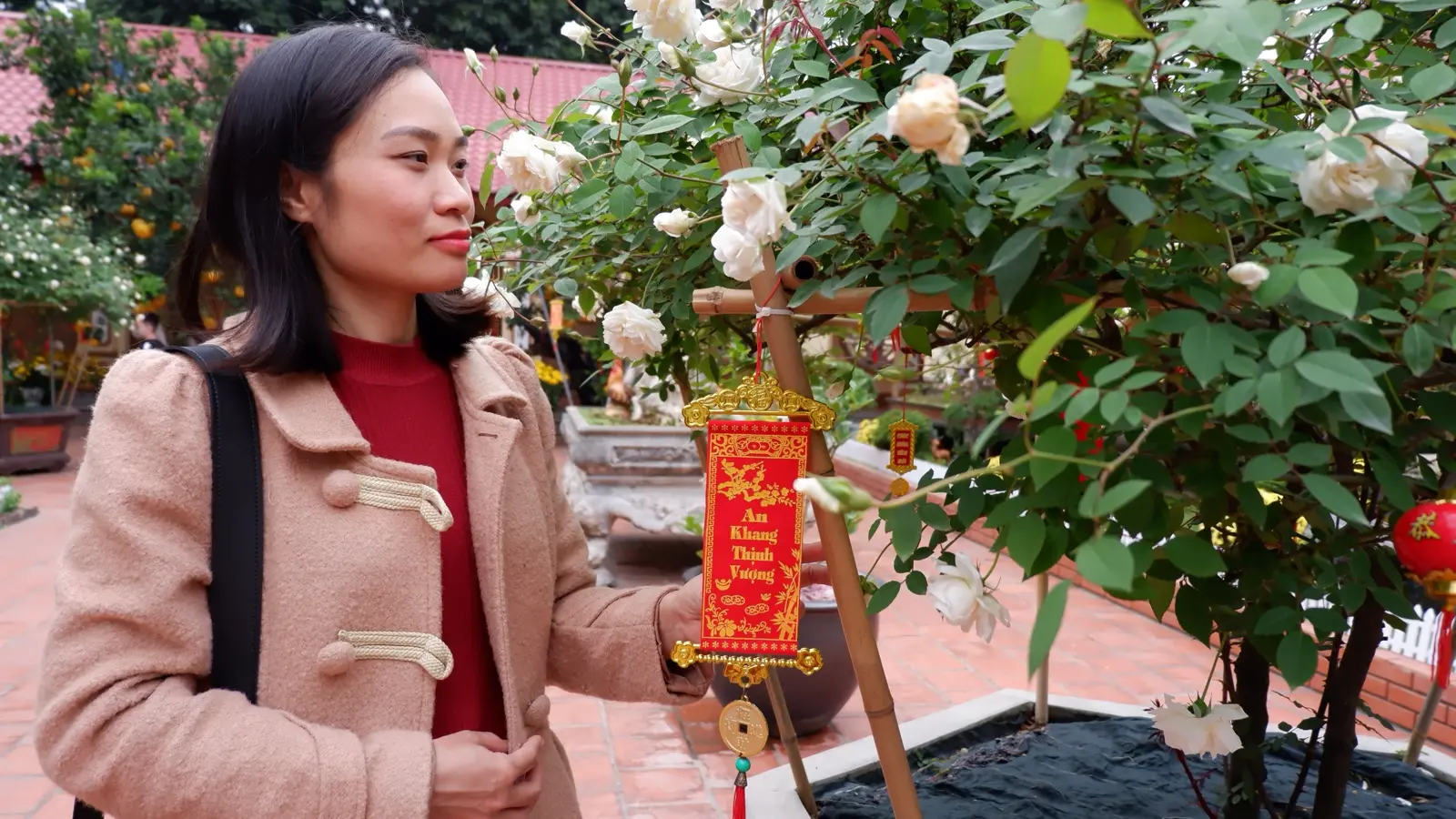
For many people who have just moved to Hanoi, Tết is the first time they see the city completely change. Here's what to expect, and how to enjoy it rather than be caught out by it.
When is Tết 2027?
Tết follows the lunar calendar, so the date changes every year. In 2027:
| Moment | Lunar date | 2027 date |
|---|---|---|
| Kitchen Gods' Day (Ông Công Ông Táo) | 23rd of the 12th lunar month | Saturday 30 January |
| New Year's Eve (Giao thừa) | Last day of the 12th lunar month | Friday 5 February |
| Tết, first day (Mùng 1) | 1st of the 1st lunar month | Saturday 6 February |
The public-sector holiday for Tết 2027 is expected to run from Thursday 4 February to Wednesday 10 February. Private companies set their own schedules, so check with your employer.
The weeks before Tết: busy, festive and crowded
From mid-January, Hanoi fills with Tết markets, red decorations and motorbikes carrying peach-blossom branches and kumquat trees. In the North, pink peach blossom (hoa đào) is the symbol of Tết, while the South uses yellow apricot blossom (hoa mai).
A few things to expect:
- Traffic and crowds peak in the last week before Tết, as everyone shops, delivers gifts and travels home.
- Prices go up for flowers, food and some services.
- Kitchen Gods' Day (Ông Công Ông Táo) is when families send the Kitchen Gods to heaven to report on the year. You'll see people releasing carp into lakes and rivers.
- Year-end parties (tiệc tất niên) happen at most workplaces.
What closes during Tết
On New Year's Eve and the first days of Tết, many shops, markets, restaurants and offices close. Some reopen from the third or fourth day, and life is usually back to normal after about a week.
Before Tết:
- Stock up on food, drinking water and anything you need for a week.
- Withdraw some cash, and pay rent and bills early.
- Book any travel very early. Trains, buses and flights fill up and cost more.
- Expect fewer Grab drivers and delivery riders during the first days.
If you stay in Hanoi, the city is wonderfully quiet. It's the one time of year you can walk around Hoàn Kiếm Lake and the Old Quarter without heavy traffic.
Tết customs foreigners should know
Lucky money (lì xì)
Adults give children, and sometimes elderly relatives, small red envelopes with new banknotes. If you visit a Vietnamese family during Tết, bring a few envelopes for the children. The gesture matters more than the amount.
The first visitor (xông đất)
The first person to enter a home after midnight on New Year's Eve is believed to bring luck, good or bad, for the whole year. Families often invite someone in advance. Unless you're invited to be the first visitor, wait until later on the first day, or the second day, to visit.
Food
In the North, the Tết dish is bánh chưng, a square cake of sticky rice, mung beans and pork wrapped in leaves. You'll also see a five-fruit tray on family altars and plenty of candied fruit and seeds for guests.
Things to avoid
Many Vietnamese families avoid certain things in the first days of the year, to keep good luck in the home:
- arguing, or saying unlucky words
- sweeping the house on the first day
- borrowing or lending money
- breaking things
You won't be judged as a foreigner, but people notice and appreciate it when you know.
Greetings to learn before Tết
| Vietnamese | Meaning |
|---|---|
| Chúc mừng năm mới! | Happy New Year! |
| An khang thịnh vượng | Health, peace and prosperity |
| Vạn sự như ý | May everything go as you wish |
| Sức khoẻ dồi dào | Wishing you good health |
Saying Chúc mừng năm mới to your neighbours, colleagues and the security guard at your building goes a long way. For more everyday phrases, see our 50 most useful Vietnamese phrases for expats.
If you're invited to a Vietnamese home
Being invited to a family's home during Tết is an honour.
- Bring a small gift: fruit, tea, sweets or a bottle of wine, plus lucky money for the children.
- Dress neatly. Many people wear new clothes for Tết. Avoid all-black or all-white outfits.
- Expect to be offered food and drinks more than once. It's polite to try a little of everything.
- Greet the oldest people first.
Tết at work
Tết affects work for several weeks, not just the holiday itself.
- Work slows down from late January. Plan deadlines and decisions around it.
- Many companies pay a Tết bonus, and partners exchange gifts.
- Colleagues may take extra days to travel home, especially if their family lives far from Hanoi.
- After Tết, people wish each other a happy new year for the first week or two back at work.
If you manage a Vietnamese team, asking colleagues about their Tết plans is a simple way to build trust.
Understand Tết with a local guide
Our Vietnamese festival workshop explains Tết in English in two hours: its meaning, the five-fruit tray, bánh chưng, the twelve zodiac animals, lucky money, greetings, first-footing and what Tết means for work. Contact us for the next workshop date, or for a private session for your team.
If you've just moved to Hanoi, our Settle in Hanoi course covers Tết and the rest of your first months: culture, everyday Vietnamese, daily life and guided city outings. And for more first-month tips, read Moving to Hanoi: what newcomers wish they knew.
Your Tết checklist
- Check the Tết dates and your employer's holiday schedule
- Book any travel early
- Stock up on food and water for about a week
- Withdraw cash, and pay rent and bills early
- Get new banknotes and red envelopes for lucky money
- Learn “Chúc mừng năm mới”
- Plan your visits: not first thing on the first day unless you're invited
Explore more: Vietnamese courses · pricing · Vietnamese with Ease textbook · contact us.
Frequently asked questions about Tết in Hanoi
New to Hanoi? Understand Tết and everything else about your first months. See Settle in Hanoi →
Continue reading on this topic
Moving to Hanoi: What Newcomers Wish They Knew in Their First Month
Moving to Hanoi? Practical tips for your first month: getting around, paying, housing, health, weather, culture and the Vietnamese you'll use from day one.
Read article Culture & LifestyleWhy Learning Vietnamese Builds Real Friendships in Hanoi (Expat Guide 2026)
Speaking Vietnamese — even just a little — opens doors that English never will. Here's why it matters, and where to start.
Read article Culture & LifestyleWhere to Practice Vietnamese with Native Speakers in Hanoi: 7 Real Spots (2026)
Real Vietnamese fluency happens outside the classroom. Here are the best places in Hanoi (and beyond) to practice with locals — confidently and respectfully.
Read article